
Apartments for Sale in Portugal: Cities and Costs 2026
Buying an apartment in Portugal: Lisbon, Porto and the Algarve compared, what the condominium actually charges, and the questions to ask before you offer.
By Portuguese Estate Editorial · Updated September 7, 2026 · 12 min read
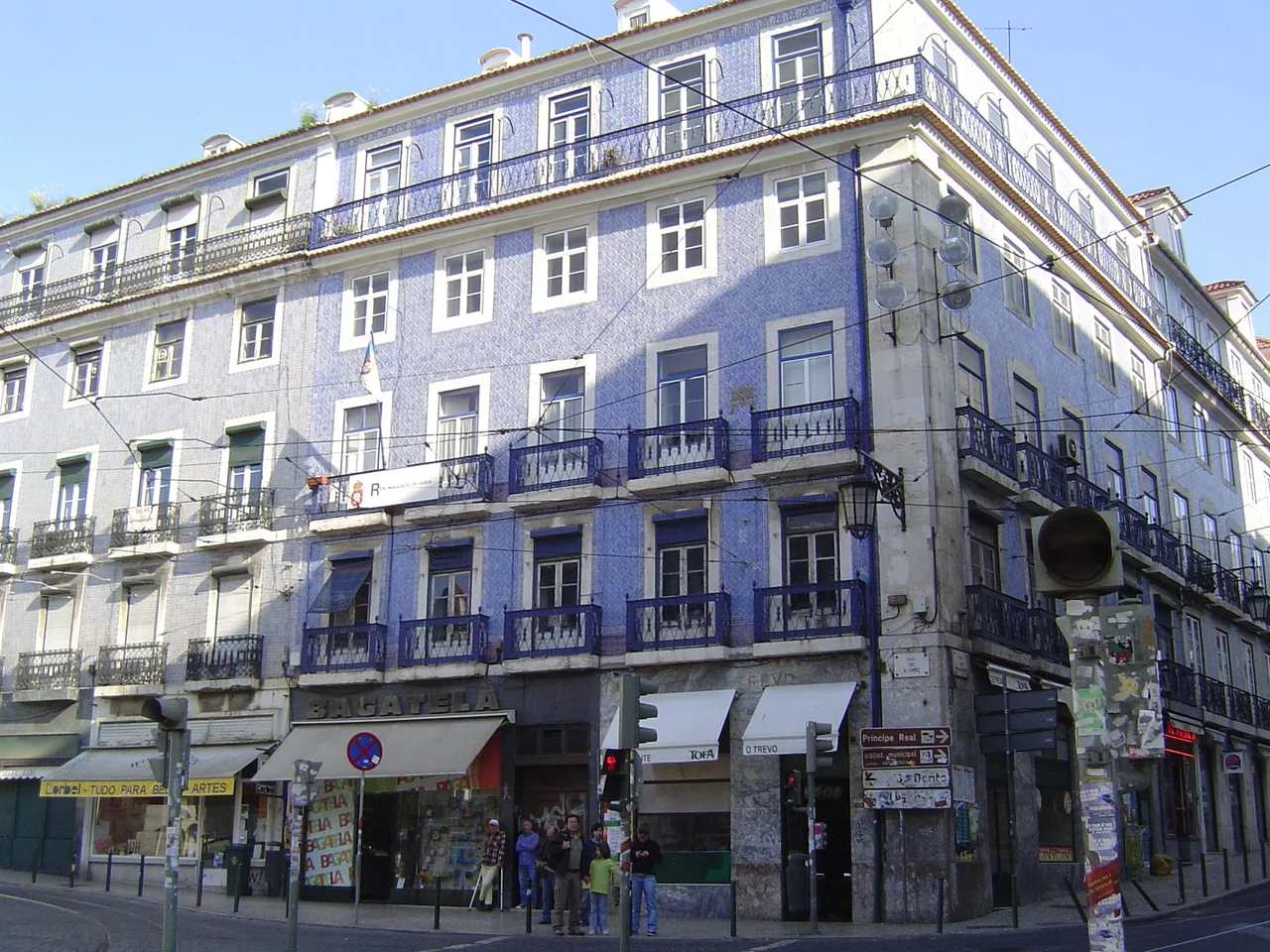
Quick Answer: Apartments are Portugal’s default urban product and its most liquid. The purchase is straightforward; the condominium is where the money hides. Read the last two years of minutes before you offer, because a facade or lift project arrives as an assessment with no ceiling.
British searches put apartments for sale in portugal at 480 a month, with lisbon apartments for sale and algarve apartments for sale at 390 each and porto apartments for sale at 170. American demand runs through the real estate vocabulary instead, but arrives at the same product.
An apartment is the easiest Portuguese purchase to complete and the easiest to get wrong afterwards, because almost everything that will cost you money is decided by people you have not met yet.
Where the Apartment Markets Are
| Market | Character | Price level |
|---|---|---|
| Lisbon | The deepest rental and resale market in Portugal | The highest |
| Cascais and the line | Coastal, schools, commuter rail | Close to Lisbon, sometimes above |
| Porto | Most of the city quality at a clear discount | Materially below Lisbon |
| Algarve | Holiday stock, resort developments, seasonal demand | Varies sharply by stretch |
| Value belt: Aveiro, Braga, Coimbra, Setubal | Real cities, real tenants, low prices | Around half the Lisbon level |
| Madeira and the islands | Funchal aside, thin markets | Below the mainland cities |
What You Are Actually Buying
An apartment purchase is two things at once: a unit, and a share in the legal entity that owns the building’s common parts. That share is fixed as a permilagem in the propriedade horizontal title, and it sets what proportion of every future budget line you pay.
| Element | Who controls it | Why it matters |
|---|---|---|
| Your unit | You | Renovation inside it is largely your decision |
| Common parts | The condominium in general meeting | Facade, roof, lift, stairs, entrance |
| Your share of costs | The permilage in the constitutive title | Not necessarily proportional to floor area |
| The reserve fund | The condominium | Whether the next big job is funded or assessed |
| The rules | The condominium regulation | Letting, pets, works, and noise |
The permilage point catches people. Your contribution to every shared cost is the permilage assigned to your unit when the building was constituted, which can differ from what a floor-area calculation would suggest. Ask for the constitutive title and check the number rather than assuming.
The Condominium, and the Assessment Nobody Mentions
The condominium decides more about an apartment’s annual cost than the apartment does. Quotas run from EUR 30 a month in a simple walk-up to EUR 400 in a building with pool, garden and concierge, and a facade or roof project approved before your purchase follows the property to you.
Portuguese apartment buildings fund routine running through a regular charge and major works through a special assessment voted at a general meeting. A facade repair, a roof, a lift replacement or a structural intervention all arrive that way: a four or five figure demand with a few months of notice.
Two documents prevent the surprise entirely.
The last two years of minutes. They show what has been discussed, what has been voted, and what is coming. A facade project approved last spring and not yet billed is a liability you will inherit at completion.
The current accounts and the reserve balance. A building with a healthy reserve absorbs its next job; a building with none assesses the owners.
Ask for both in writing before the promissory contract, and have your lawyer read them. The detail is in condominium fees in Portugal.
Old Stock or New
| Older building | Purpose-built modern | |
|---|---|---|
| Lift | Often absent, and retrofitting is a condominium project | Standard |
| Insulation | Frequently poor, and cold and damp from December to February | Built to current standards |
| Condominium charge | Lower headline, higher assessment risk on the facade and roof | Higher headline, more predictable |
| Parking | Rare in historic centres | Usually included |
| Character | The reason people want them | Limited |
| Price per square metre | Lower unrenovated, higher renovated | A premium |
The insulation point is the one buyers from warmer expectations get wrong. Portuguese housing was largely built for a mild outdoor climate and is cold indoors in winter, particularly in Porto and the north. That is a running cost, and it falls on the owner.
What You Pay to Buy
| Cost | Basis | On a EUR 350,000 apartment |
|---|---|---|
| IMT, non-resident | Flat 7.5% from 1 September 2026 | EUR 26,250 |
| Stamp duty | 0.8% | EUR 2,800 |
| Notary and registry | Fixed and variable | Low four figures |
| Legal fees | Commonly 1% to 1.5% | EUR 3,500 to EUR 5,250 |
| Total | Roughly 9% to 11% | About EUR 33,000 to EUR 39,000 |
A Portuguese tax resident buying the same apartment moves onto a progressive scale that starts far lower, and a buyer who becomes resident within 24 months can reclaim the excess. See IMT for non-residents and the full cost of buying.
What It Costs to Hold
| Charge | Basis |
|---|---|
| IMI | 0.3% to 0.45% of rateable value, set by each municipality |
| AIMI | 0.7% above EUR 600,000 of taxable value per owner |
| Condominium | Your permilage share of the building’s budget |
| Special assessments | Voted, irregular, and without a ceiling |
| Insurance | Contents and your own liability; common parts are the condominium’s |
| Heating | The line that separates old stock from new, especially in the north |
Running costs in full are in Portugal property running costs.
Measuring the Same Thing Twice
Price per square metre is the standard apartment comparison and it only works when both figures measure the same thing. Portuguese listings quote gross, useful and dependent areas, and the gap between gross and useful on the same flat can exceed 15%.
Portuguese listings may quote gross construction area, which can include a share of common parts, terraces, balconies and parking, or net usable area, which does not. The gap between the two on the same apartment is commonly around a fifth, which is more than the difference between two neighbourhoods.
Ask which basis the figure uses. Then ask for the net usable area specifically, and compare on that. It is a two-minute question that removes most of the noise from a shortlist.
What Comes With the Unit, and What Does Not
Portuguese apartments transfer with whatever is registered to them and nothing else, which catches buyers from markets where fittings are assumed. Parking spaces, storage rooms and terraces are separate registered fractions as often as they are part of the unit, and each has its own entry.
| Item | How it is usually held | What to verify |
|---|---|---|
| Parking space | Frequently a separate registered fraction, sometimes an assigned right | Whether it is included in this sale and in the price |
| Storage room, arrecadacao | Often a separate fraction too | Same question, and where it physically is |
| Terrace or balcony | Private use, but sometimes a common part with exclusive use | Who is responsible for waterproofing it |
| Roof terrace | Occasionally private, more often common | Read the constitutive title, not the listing |
| Fitted kitchen and appliances | Whatever the contract says | List them in the CPCV, item by item |
The parking point is the one that most often surfaces late. A space can be a separate fraction with its own registration and its own IMT, which means it may be sold separately, may already be sold, or may be included at a price the listing did not separate out. Ask which fraction numbers this sale covers.
Terrace waterproofing is the other. If the terrace is a common part with exclusive use, a leak into the flat below is frequently the condominium’s problem; if it is private, it is yours. That distinction is worth reading the title for.
The Rental Market, City by City
Letting an apartment behaves differently in each of the three main markets. Lisbon and Porto carry deep long-term demand at a flat 28% non-resident tax on net income, Porto adds tens of thousands of students, and the Algarve runs a short season with high nightly rates and empty winters.
| Market | Tenant pool | Character |
|---|---|---|
| Lisbon | The deepest in Portugal: professionals, students, relocating families | Long-term demand year-round; short-term contained in the centre |
| Porto | Students, young professionals, a growing international layer | Slightly thinner, and cheaper to enter |
| Algarve | Seasonal holiday demand, thin long-term outside the towns | Peak weeks flatter the yield; the year does not |
| Value belt | Local tenants, universities in Coimbra, Braga and Aveiro | Modest rents, low entry prices, steady occupancy |
Two things follow. Long-term letting is the option that works everywhere and does not depend on a licensing map. And a yield quoted on peak Algarve weeks is not an annual figure, which is the most common overstatement in this market.
Floor, Lift and the Things That Move a Price
Within a single building, identical apartments on different floors trade at genuinely different prices, and the reasons are rarely the ones buyers expect. A walk-up above the second floor carries a discount that never closes, and a top floor with a terrace carries the building’s largest premium.
| Factor | Effect |
|---|---|
| No lift above the second floor | A substantial discount, and a resale constraint |
| Ground floor | Security and damp concerns, usually a discount |
| Top floor without insulation | Hot in summer, and roof exposure is the owner’s problem |
| Top floor with a terrace | The strongest premium in the building |
| Interior facing a light well | Dark, quiet, and materially cheaper |
| Street facing on a busy road | Noise, and it does not go away |
The lift row is the largest single swing in older Portuguese stock, and it is where the buyer profile matters. A fourth-floor walk-up is fine for a young couple and unsellable to a retiring one, which narrows the exit market to a group that is itself ageing out of it. Anyone buying a walk-up should price that constraint at purchase rather than discover it at sale.
Retrofitting a lift into an older building is possible and it is a condominium decision, not an owner’s. It requires a majority, structural work, and a shared budget, and buyers should never assume it is coming. If the building has discussed it, the minutes will say so, and those minutes are worth reading.
Reading the Condominium Minutes Before You Offer
The single most useful document in an apartment purchase is not the caderneta or the energy certificate. It is the last two or three years of condominium assembly minutes, and most foreign buyers never ask for them.
| What the minutes reveal | Why it matters |
|---|---|
| Approved but unbilled works | A large charge already voted and coming to you |
| Recurring disputes | Roof, lift, facade, and who has been refusing to pay |
| Arrears among owners | A fund that cannot pay for what it has approved |
| Short-let votes | Whether the building has restricted or banned it |
| Reserve fund balance | Whether there is money for the next repair |
| Attendance | Whether anybody actually manages this building |
An assessment for facade or roof works approved before your purchase but billed afterwards generally follows the property rather than the seller, which is how buyers inherit five-figure charges they never voted on. The minutes are where that appears, months or years in advance.
Ask for them through your lawyer as a condition, in Portuguese, and have them read properly. A seller who cannot or will not produce them has told you something, and a building with no minutes at all is a building nobody is managing.
Noise, and the Building Around You
Portuguese apartment buildings vary enormously in acoustic performance, and the era of construction predicts it better than the price does.
| Era | Acoustic reality |
|---|---|
| Pre-war masonry | Thick walls between units, timber floors that transmit |
| 1950s to 1970s concrete | Thin slabs; footsteps and voices carry vertically |
| 1980s and 1990s | Variable, generally poor |
| Post-2000 | Regulated acoustic standards, materially better |
| Renovated older stock | Depends entirely on whether the works addressed it |
The 1960s and 1970s blocks that make up a large share of affordable city stock are the weak point. They are structurally sound, well located, and acoustically transparent, and a renovation that replaces the kitchen without touching the floor build-up leaves that unchanged.
Two practical steps. Visit in the evening, when neighbours are home, rather than at eleven on a weekday morning when the building is empty. And ask what is above and below: a restaurant beneath a flat, or a short-let unit above it, changes daily life in a way no survey will report.
Pros and Cons
An apartment is the lowest-maintenance way into the Portuguese market and the one where the building matters more than the unit. Condominium quotas from EUR 30 to EUR 400 a month, the lift question above the second floor, and the acoustics of the construction era decide the experience.
Advantages:
- The most liquid Portuguese property type, with the deepest buyer pool
- Plentiful comparable registered sales, so pricing is straightforward
- Low maintenance relative to a house: the building looks after its own shell
- Lock-and-leave suits owners who are not there year-round
- Strong long-term rental demand in the cities
Disadvantages:
- The condominium decides, and you pay your permilage share
- Special assessments arrive without a ceiling
- Older stock is cold, and retrofitting insulation is limited by what you own
- Lifts are not guaranteed and cannot be added unilaterally
- Short-term letting is restricted in the districts where it earns most
Risks and Red Flags
Apartment purchases fail inside the condominium rather than inside the flat. An approved but unbilled assessment, a reserve fund with nothing in it, or a building that has voted to restrict short lets are all recorded in the minutes nobody asked for.
- Minutes not requested. The approved-but-unbilled facade project is the classic inherited liability.
- A reserve fund of zero. It means the next job is an assessment rather than a withdrawal.
- “A lift is planned.” Ask what has been voted and funded, in writing.
- Gross area compared against net. A fifth of the difference is measurement, not value.
- Letting income assumed in a contained parish. Verify the municipal position for the address.
Checklist before you offer:
- Constitutive title, and your unit’s permilage
- Two years of condominium minutes and accounts, plus the reserve balance
- Any works approved and not yet billed
- Net usable area, stated as such
- Current VPT, last year’s IMI, and whether AIMI applies
Who an Apartment Suits
An apartment suits buyers who want low maintenance and a liquid asset, and it commits them to a collective decision-making body they do not control. The deciding variables are the lift, the condominium’s finances and what the building has voted about short lets.
City buyers and long-term letters. Lisbon or Porto, where the tenant pool is deepest and the exit is fastest.
Owners who are not there all year. Lock-and-leave with a building that maintains its own shell beats a villa with a garden and a pool.
Buyers optimising for price. The value belt, where the same specification costs roughly half the Lisbon level.
Holiday buyers. The Algarve, subject to the licensing position, covered in property for sale in the Algarve.
Buyers who want space and privacy. A house, and the trade is set out in villas for sale in Portugal.
Frequently Asked Questions
Lisbon for the deepest rental and resale market and the highest prices, Porto for most of the same city quality at a clear discount, the Algarve for holiday use with a season attached, and the value belt of Aveiro, Braga, Coimbra and Setubal for space at roughly half the Lisbon level. The decision is usually made by whether the apartment is a home, a let or a holiday base.
A monthly or quarterly charge set by the building's owners in general meeting, covering cleaning, lighting, lift maintenance, insurance of common parts, and a reserve fund. Your share is set by the permilage assigned to your unit in the building's constitutive title, not by floor area alone. Buildings with lifts, pools, gardens or security carry the highest charges in the country.
A one-off charge voted by the condominium to fund major works: a facade, a roof, a lift replacement. It can arrive with a few months of notice and it has no ceiling. This is the single most common unpleasant surprise for foreign apartment buyers in Portugal, and it is entirely avoidable by reading the last two years of minutes before you offer.
No, and in older stock it frequently is not there. Retrofitting a lift into a historic building is a project requiring the condominium's agreement, municipal permission and funding, not a decision one owner can take. If a listing says a lift is planned, ask what the condominium has actually voted and funded rather than what an agent hopes.
Portuguese listings may quote gross area, which includes a share of common parts and sometimes terraces and parking, or net usable area. The two can differ by around a fifth on the same apartment, which is enough to invalidate any price-per-square-metre comparison. Always ask which basis the figure uses before comparing two properties.
Generally yes. City apartments have the deepest buyer pool in the country, they are more standardised, and comparable registered sales are plentiful, which makes pricing straightforward. That liquidity is a real advantage over a villa or a rural property and it belongs in the calculation alongside the purchase price.
Roughly 9% to 11% of the price as a non-resident: a flat 7.5% IMT on residential property from 1 September 2026, 0.8% stamp duty, plus notary, registry and legal fees. Then annually: IMI on the rateable value, the condominium charge, and AIMI at 0.7% on taxable value above EUR 600,000 per owner, which prime Lisbon and Cascais apartments reach.
Comparing apartments?
Send us a listing. We come back with the permilage, the condominium position and any works already voted.
Get a Portugal property shortlist
Tell us your budget and region (Lisbon, Algarve, Porto, Cascais). We reply within one business day with vetted options matched to your goals.